Product selection guides
How to evaluate an isononanoic acid supplier
A practical checklist for reviewing INA specifications, batch documents, change control, packaging, lead times, and supply continuity.

Choosing an isononanoic acid supplier is partly a product decision and partly a process review. The material must match the approved specification, but the supplier must also show how it controls changes, releases batches, communicates lead times, and supports an investigation if something goes wrong.
This checklist is written for procurement, quality, and formulation teams. It does not assume that a large producer, a distributor, or a certified company is automatically the right source. Each claim still needs evidence that is relevant to the product, site, route, and destination in question.
The images in this guide are illustrative. They do not document a JYT Chemical facility, certificate, production capacity, or logistics capability.
Start with product identity and specification
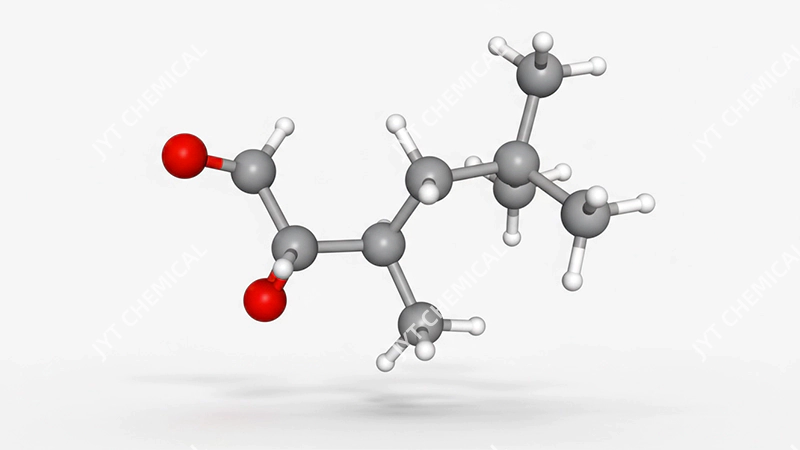
Confirm that every quotation, sample, specification, safety data sheet, and commercial document refers to the same material. For the JYT Chemical standard product, Isononanoic Acid is identified as 3,5,5-trimethylhexanoic acid, CAS 3302-10-1. An isononanoic acid isomer mixture is a separate product and should not be treated as the same grade without an application review.
The approved JYT product data for Isononanoic Acid lists a minimum purity of 99.5%, a minimum acid value of 350 mg KOH/g, a maximum Pt/Co color of 10, and a maximum moisture content of 0.1%. These are product-specific values. A buyer comparing other sources should work from the supplier’s current controlled specification rather than assuming that the same limits apply.
Ask for the following before qualifying a source:
- the current product specification and revision date;
- the analytical methods used for each reported property;
- an SDS that matches the offered product and market;
- a representative batch-specific certificate of analysis;
- a written explanation of whether the grade is a defined compound or an isomer mixture.

Review batch release and change control
A certificate of analysis records results for a particular lot. It is useful for checking that lot against agreed limits, but it does not by itself describe the supplier’s full quality system. Review how the supplier samples material, handles results outside specification, retains records, and investigates complaints.
ISO 9001 can be relevant because it sets requirements for a quality management system. It is not a product approval or a guarantee that every batch will suit a formulation. If a supplier cites certification, verify the certificate issuer, validity, covered legal entity, site, and scope on the issuing body’s records.
Change control deserves a separate discussion. Ask which changes trigger advance notice, including changes to the manufacturing site, process, feedstock, test method, specification, or packaging. Agree on a notification period and decide whether a new sample or application trial will be required.
The practical test is simple: can the supplier connect a complaint to the delivered lot, provide the relevant records, and explain the investigation path?
Qualify the material in your own application
Passing a supplier specification does not prove that a new source will behave identically in every formulation. Compare a representative sample with the currently approved material using the tests that matter to the end use. Depending on the project, that may include reaction behavior, finished-product color, viscosity, low-temperature testing, storage stability, or corrosion testing.
Do not replace application work with a broad statement such as “equivalent” or “drop-in.” Define acceptance criteria in advance, document the trial conditions, and retain a reference sample if your quality procedure requires one.
Technical support should also be tested, not inferred from a sales claim. Give the supplier a realistic question and note whether the answer distinguishes product data from application guidance. Confirm who will respond to specification questions, SDS questions, and batch investigations.
Test capacity and continuity claims
Published nameplate capacity is not the same as available capacity for your contract. Ask for a written supply proposal based on your expected annual volume, order pattern, destination, and required lead time. The answer should identify normal lead time, minimum order quantity, production or dispatch constraints, and the notice required for a volume increase.

Use scenario questions instead of asking only whether supply is “reliable”:
- What happens if monthly demand increases above the forecast?
- Is material allocated during a shortage, and on what basis?
- Which site or source will fulfill the contract?
- Is an alternate source available, and would it require a new qualification?
- How quickly will customers be notified of a delay or force majeure event?
Answers should be specific enough to include in the supply plan. Claims about priority allocation, guaranteed availability, or price stability need contractual support. A broad statement about partnerships or global reach is not evidence of continuity.

Confirm packaging and delivery details
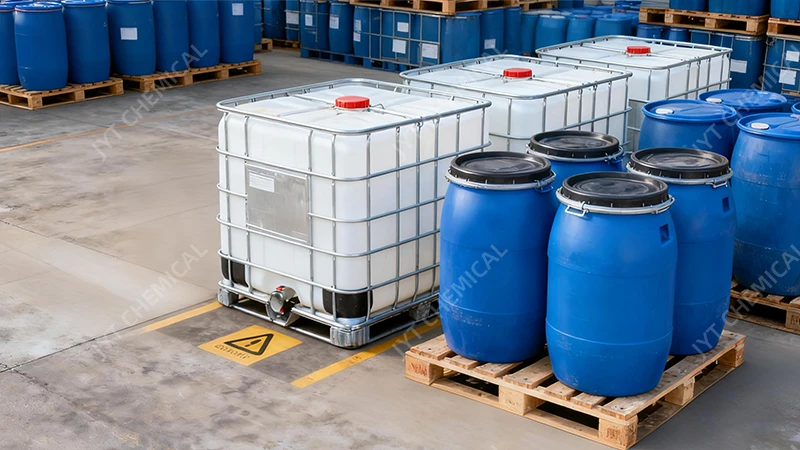
Packaging affects handling, storage, sampling, and landed cost. The current JYT product data lists 185 kg drums, 900 kg IBC totes, bulk Flexitank, and bulk ISO tank formats for Isononanoic Acid. Availability still needs confirmation for the order volume and destination.
Before placing an order, confirm:
- net quantity and packaging material;
- whether packaging is new, cleaned, returnable, or single use;
- label, seal, batch, and tamper-evidence requirements;
- loading point, Incoterm, route, and estimated transit time;
- required shipping and customs documents;
- storage conditions and the procedure for damaged packaging;
- responsibility for detention, demurrage, returns, and disposal.
Review the current SDS before setting transport, storage, transfer, and emergency procedures. The supplier should provide shipment-specific information, while the buyer remains responsible for checking local import and workplace requirements.
Use a scored supplier review
A short scorecard makes comparisons easier to audit. Weight each section according to the risk of the application rather than giving every question the same value.
| Review area | Evidence to request | Warning sign |
|---|---|---|
| Product identity | Specification, SDS, grade statement | Conflicting names, CAS numbers, or grade descriptions |
| Batch quality | Test methods and representative COA | Results without methods, limits, or lot identification |
| Quality process | Complaint, traceability, and change-control procedure | Certification cited without a verifiable scope |
| Application fit | Representative sample and agreed test plan | Suitability promised without qualification data |
| Supply continuity | Volume plan, lead times, allocation process | Capacity claims without order-specific commitments |
| Logistics | Packaging, route, documents, and responsibilities | Vague delivery terms or unconfirmed packaging |
| Support | Named technical and commercial contacts | No clear owner for questions or investigations |
Record open items and assign an owner and due date. A source should move from sample review to commercial approval only after the technical, quality, EHS, and procurement teams have accepted the evidence relevant to their roles.
Before commercial approval
Finish the review with a small order or agreed qualification lot where appropriate. Check the received packaging, labels, documents, and batch results against the purchase requirements. Confirm how future TDS, SDS, and batch COA requests will be handled, then document the approved source and any restrictions.
If you are evaluating the JYT grade, review the Isononanoic Acid product data and request the current documents or a sample for your application. Commercial terms and supply formats should be confirmed for the specific destination and order plan.